The 1720s: When It All Began
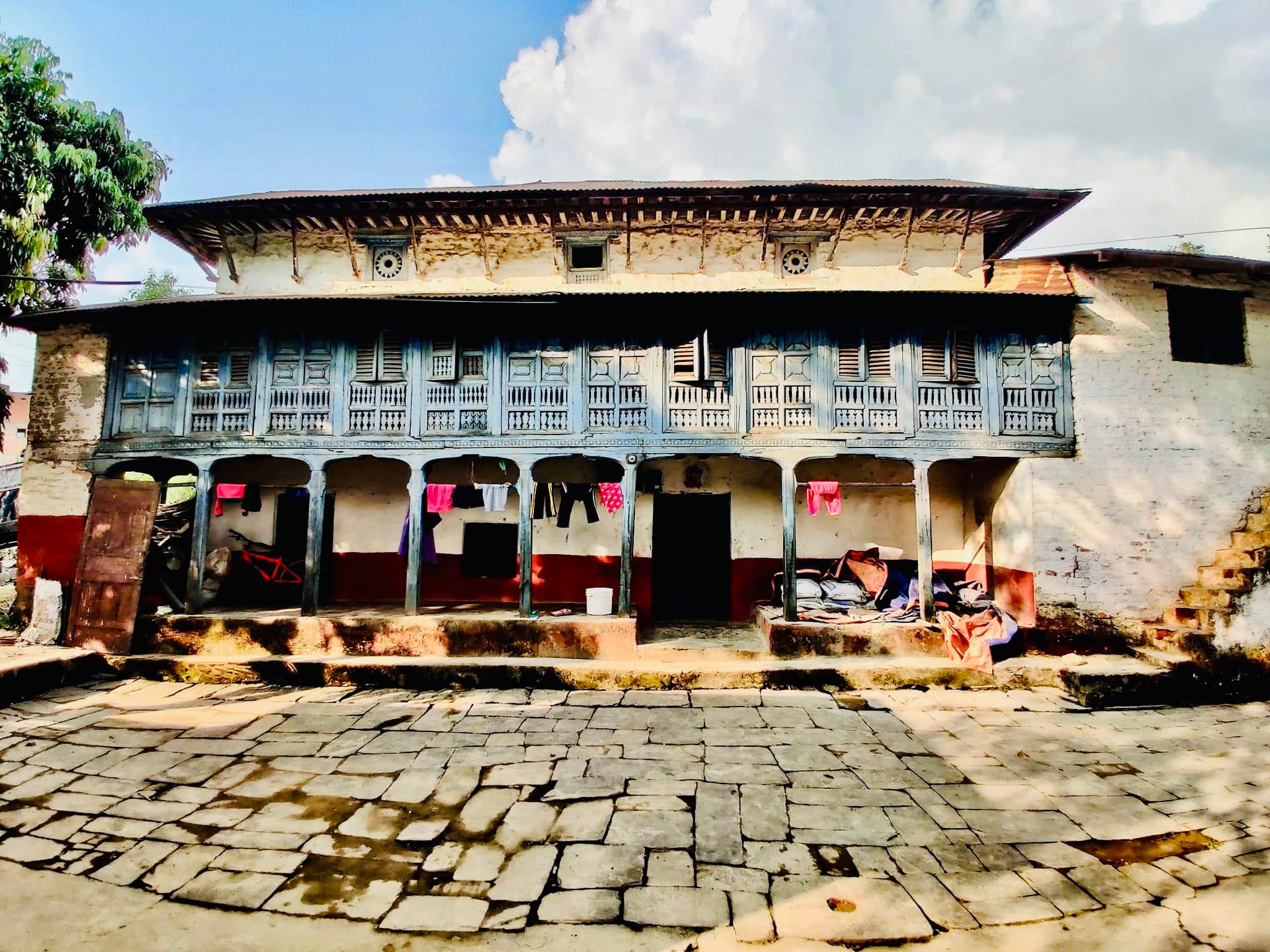
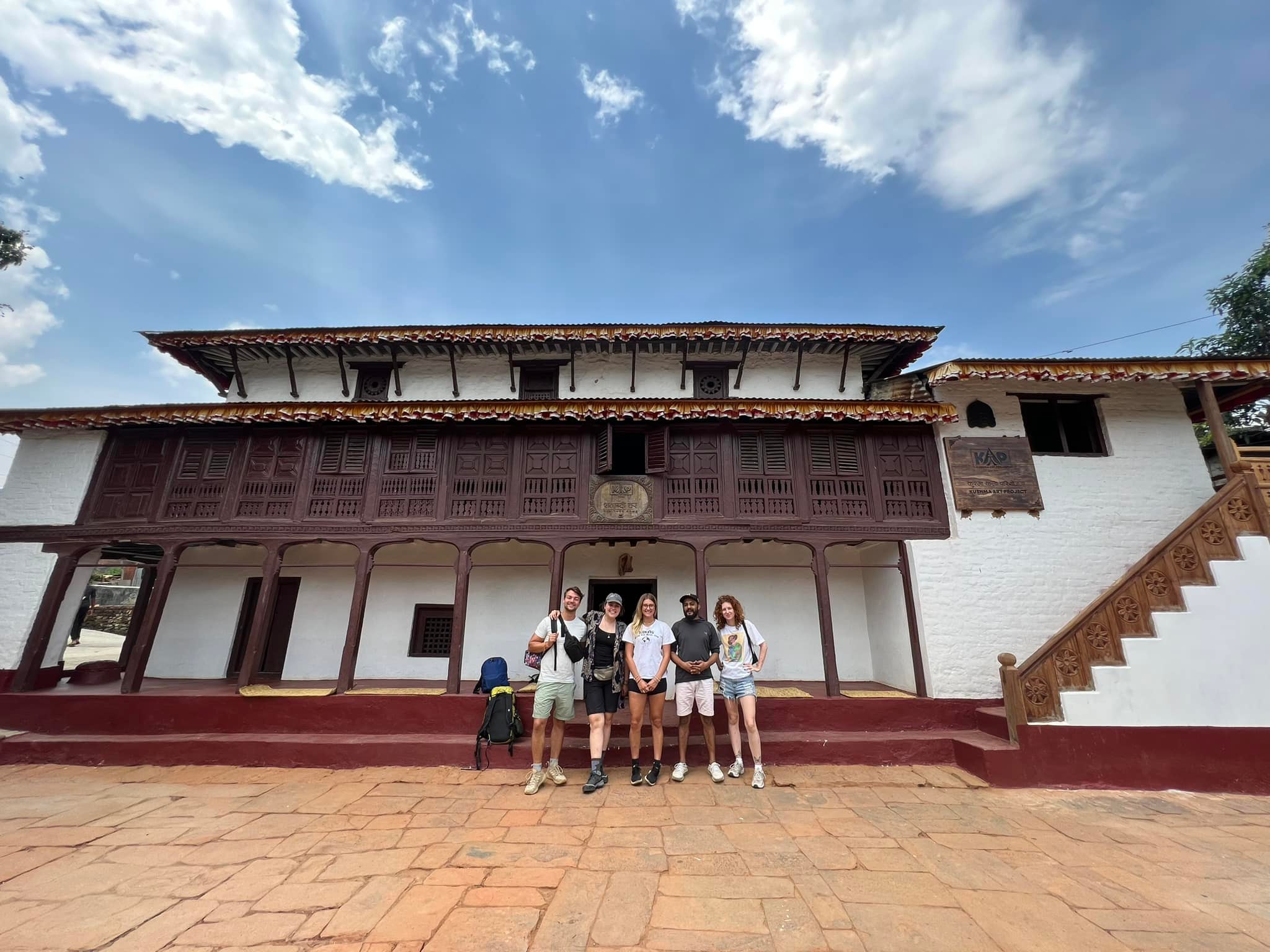
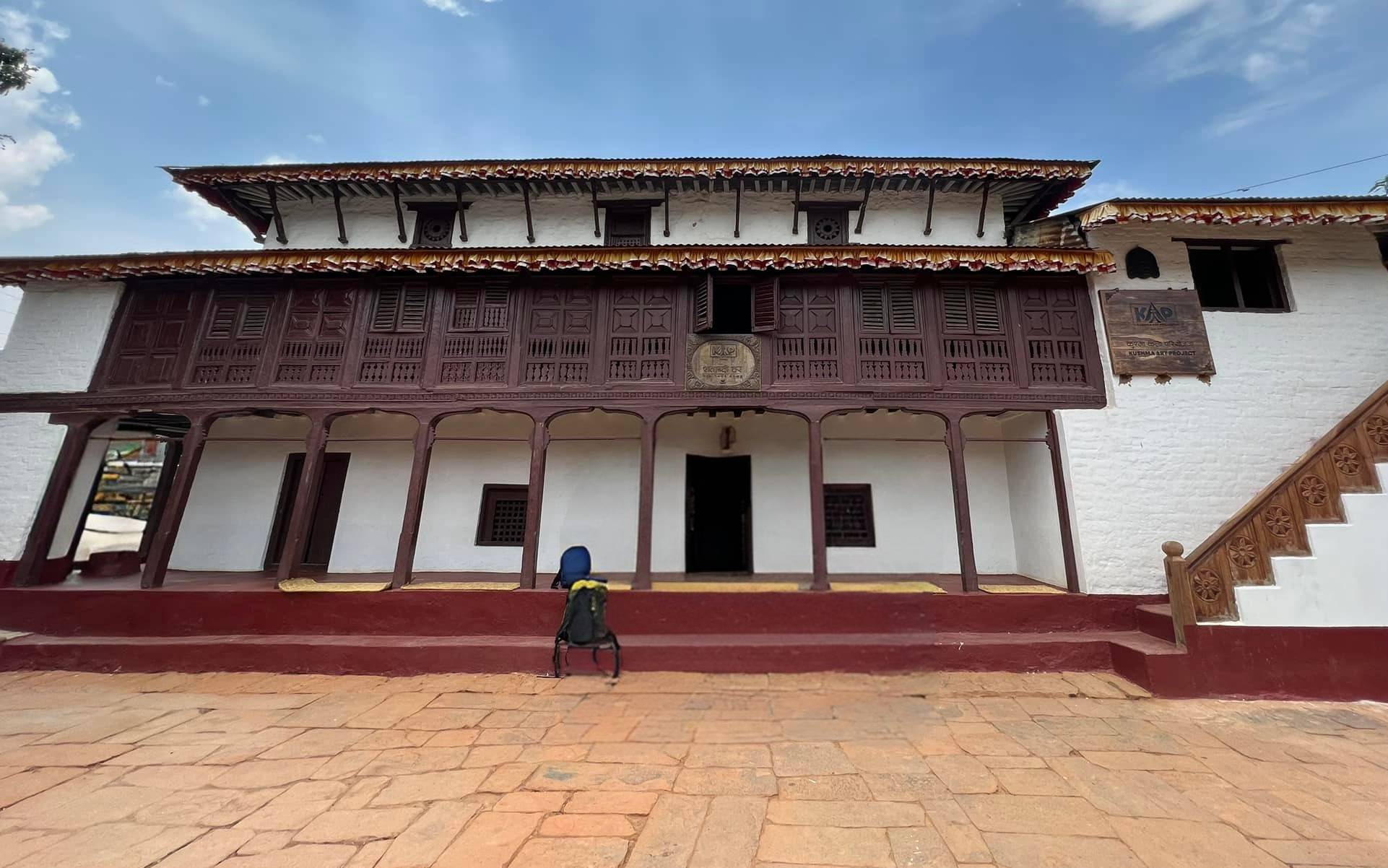
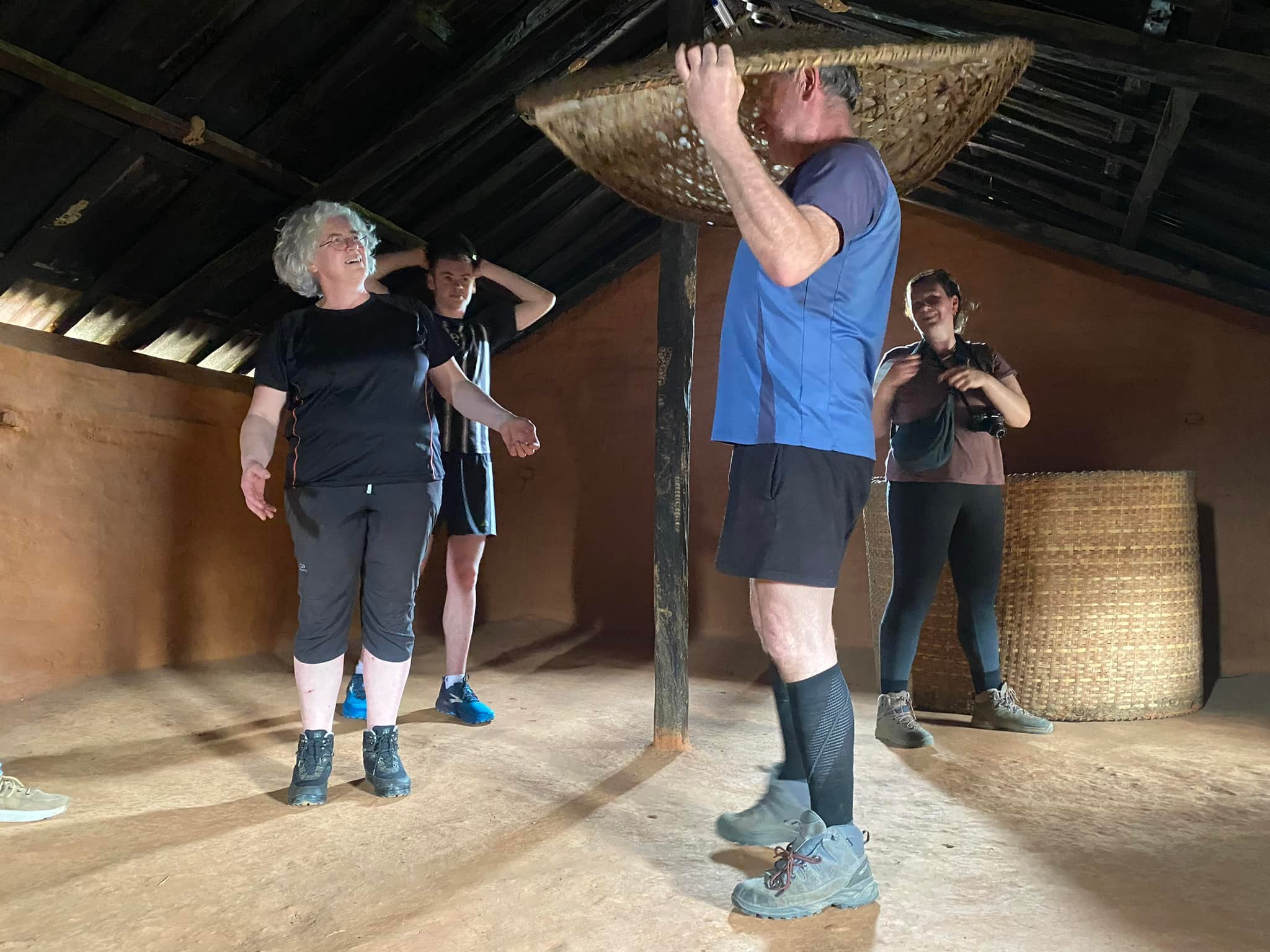
In the early 18th century, during the reign of the Malla kingdoms, master craftsmen laid the first stones of what would become Shatabdi Ghar. Built using traditional mudha (mud and stone) construction techniques passed down through generations, the house was designed not just as a dwelling, but as a statement of cultural identity.
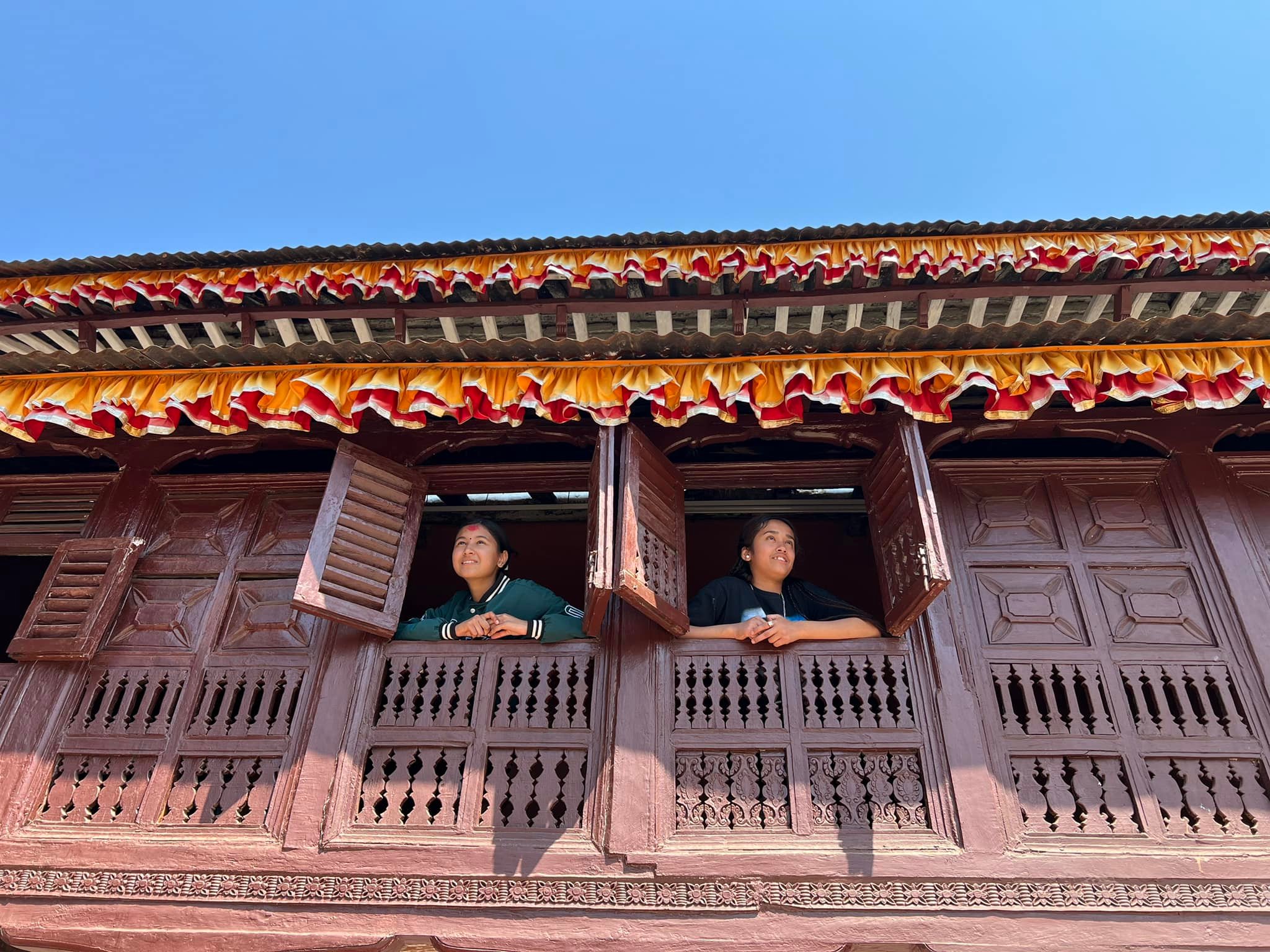
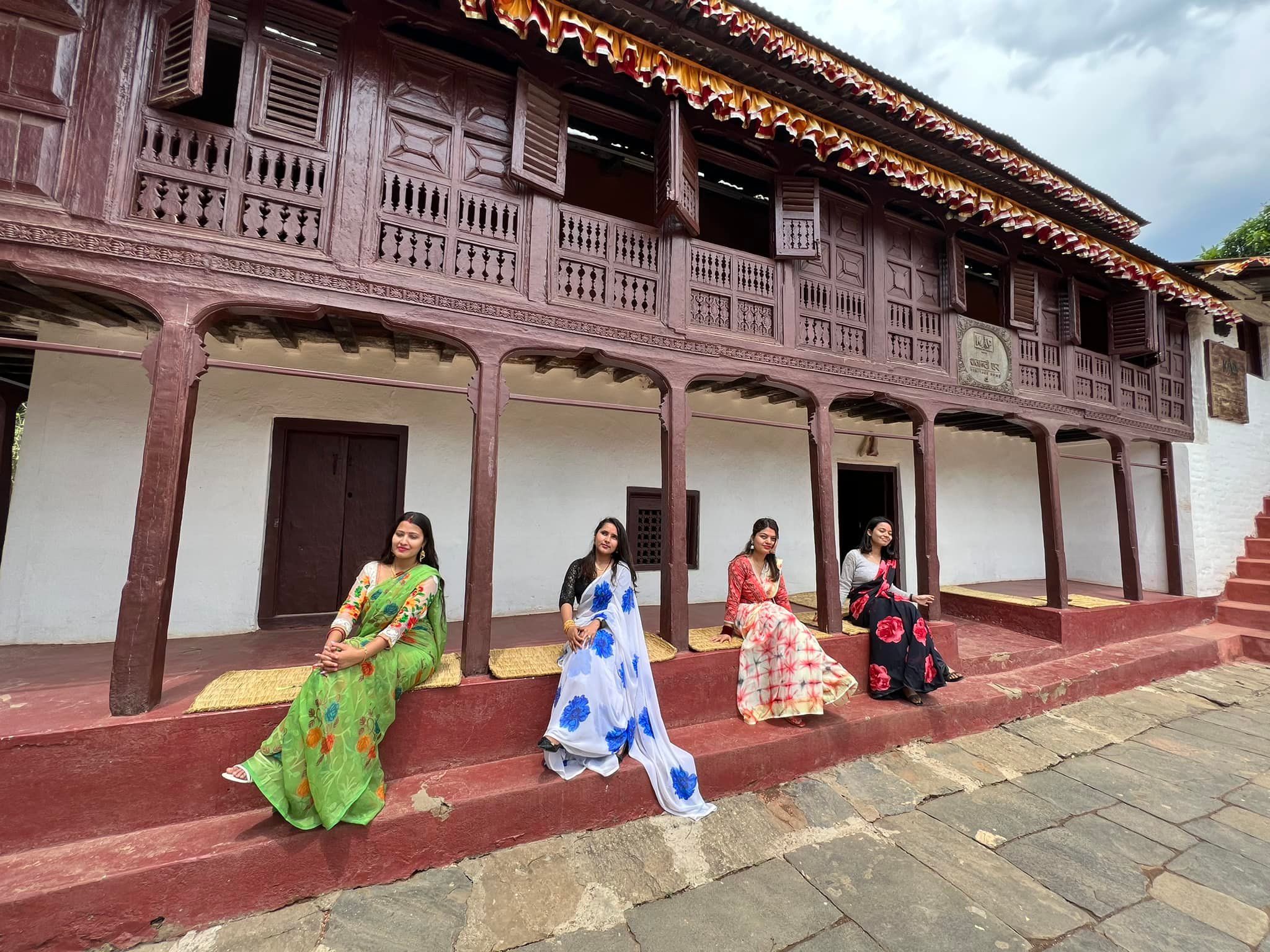
The architecture reflects the ingenious understanding our ancestors had of the local environment—thick walls for insulation, wooden frameworks that flex during earthquakes, and intricate carvings that tell stories of gods, nature, and daily life in the hills of Parbat.
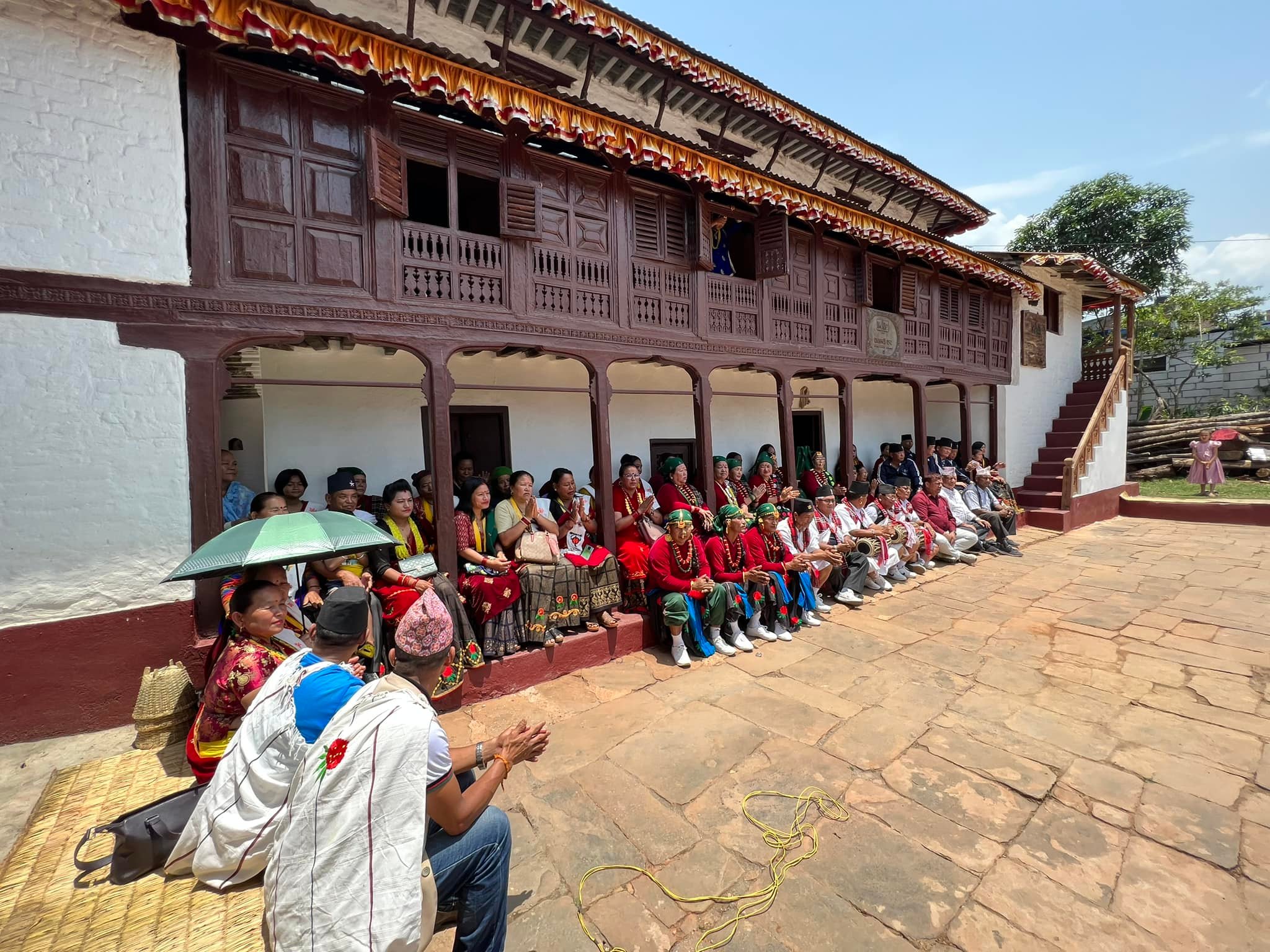
Located in Siwalaya Chowk, at the heart of Kushma, the house served multiple generations of families who lived, loved, celebrated, and mourned within its walls. Each generation added their own touches, making Shatabdi Ghar a living palimpsest of Nepali domestic history.